BMS Software Development Services
3EC develops practical BMS software for OEM platforms, specialist integrations and operator-facing tools. Our work is aimed at real project outcomes: cleaner commissioning, more maintainable control logic, clearer user interfaces and software that reflects how a site actually needs to operate.
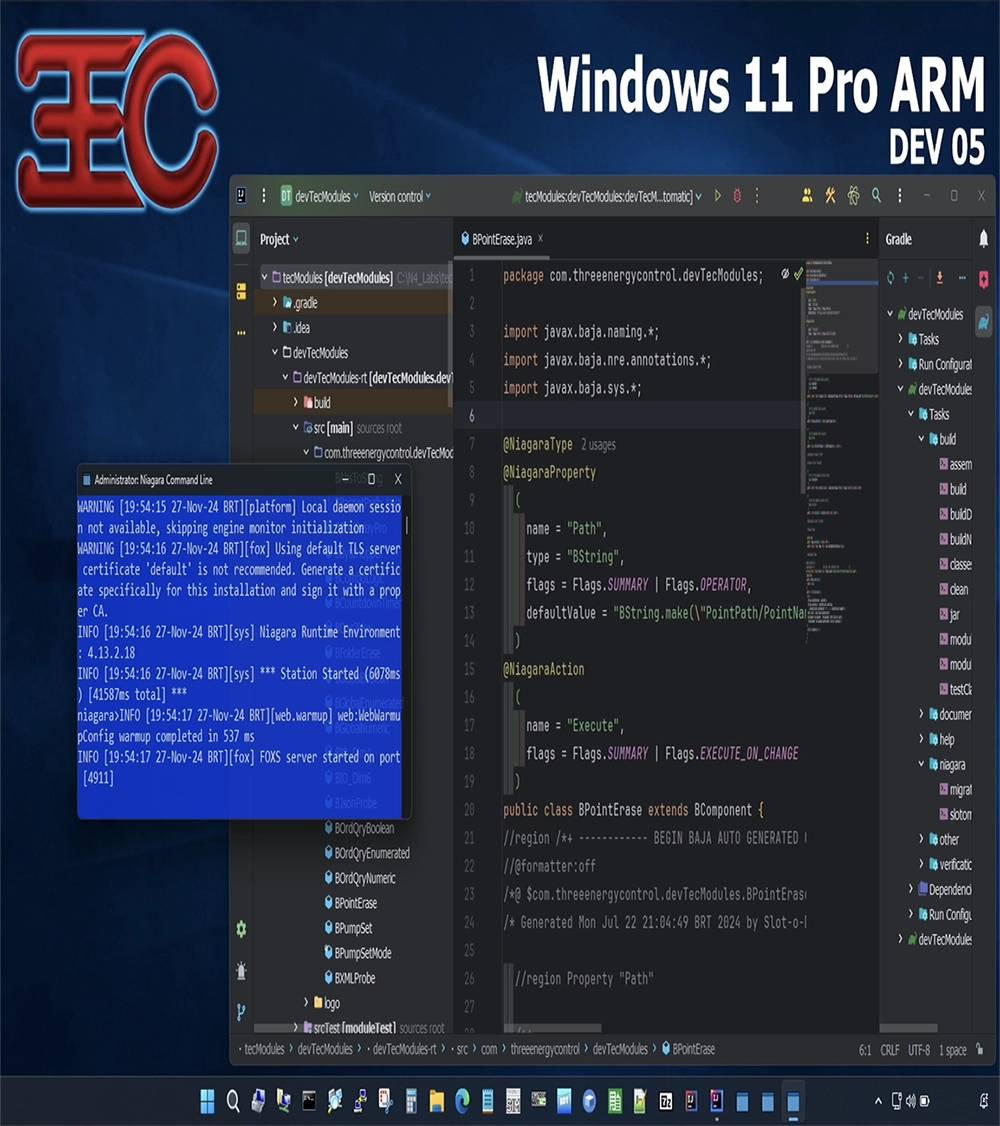
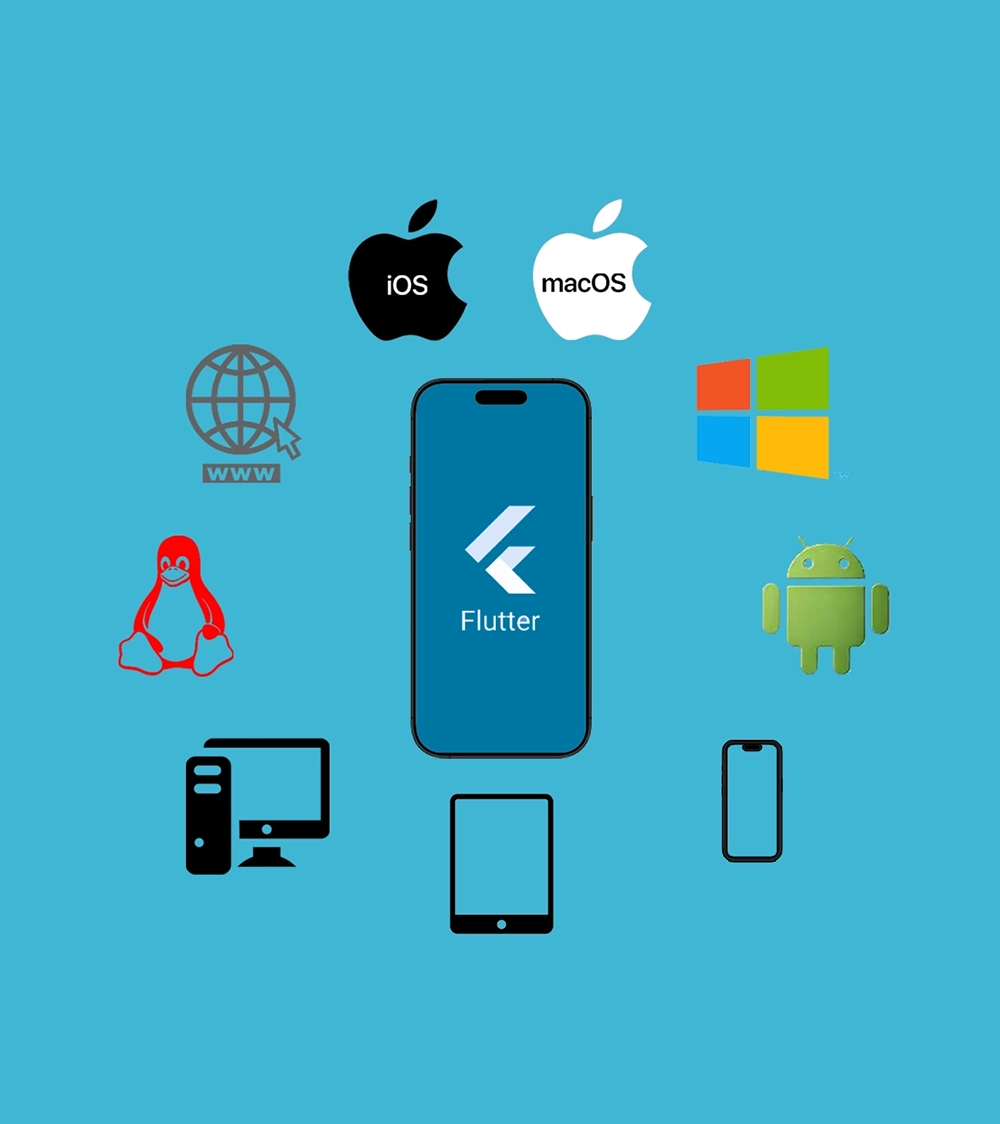
We support projects where standard libraries or built-in logic blocks do not go far enough. That includes new software modules, tailored utilities, front-end features, workflow helpers and platform-specific development for Tridium Niagara, Java and Flutter-based environments. The goal is not novelty for its own sake. The goal is giving building operators and engineering teams software that solves a precise operational problem.
Where custom BMS software adds value
Many building automation projects reach a point where the default toolkit starts to constrain the outcome. A control strategy may be technically possible, but difficult to maintain. A front end may expose data, but not in a way that helps operators act quickly. A platform may support integration, but still need custom handling to present alarms, trends, energy information or site workflows in a sensible way. This is where bespoke BMS software development becomes commercially useful.
3EC focuses on software that supports commissioning, operations and future maintenance. We look at how the package will be handed over, how it will behave under live conditions and how easily another engineer can understand it later. That matters just as much as getting code to run in the first place.
Niagara and OEM platform work
We support Tridium Niagara and related OEM environments with tailored modules, components and workflow improvements designed around the end application rather than generic demonstrations.
Operator-focused tools
Software can be written to improve usability, speed up diagnosis, surface trends more clearly and reduce friction for the people who interact with the BMS every day.
Maintainable delivery
Readable structure, sensible naming and documentation-aware delivery help ensure the finished software remains supportable after commissioning.
Project-specific problem solving
From extending graphics behaviour to handling workflow edge cases, custom development helps close the gap between platform capability and site reality.
Development examples
The software side of a BMS project often spans platform logic, operator tooling and module-level enhancement. These examples reflect the kind of applied delivery 3EC supports.
Typical development scope
Software development within building automation is rarely one single task. One project may need a bespoke module that extends Niagara functionality. Another may need tooling around energy data or a cleaner way to organise engineering workflows. A third may need a front end or companion application that makes system access more useful for a client or maintenance team. 3EC can work across these layers and align the software with the wider control strategy rather than treating it as an isolated add-on.
That joined-up view matters because BMS software sits close to integration, graphics and automation logic. Good results depend on understanding how those disciplines meet. Custom code should not force awkward engineering compromises elsewhere in the system.
How 3EC approaches delivery
We begin with the operational requirement: what the system must do, who needs to use it and where the standard approach falls short. From there, we shape a development path that is proportionate to the project. Some work packages are small and highly targeted. Others are broader pieces of platform enhancement or application support. In both cases, the emphasis is on reliability, clarity and fit for the actual building or estate.
Because 3EC also works in protocol integration, automation logic, graphic design and panel engineering, the software can be developed with awareness of the wider delivery environment. That reduces mismatches between what the code assumes and what the live system needs.
Talk to 3EC about BMS software development
If you need custom BMS software development for Tridium Niagara, OEM platforms or project-specific control applications, contact 3EC to discuss the engineering requirement and delivery approach.