
BMS Automation Logic Programming
3EC develops automation logic for building management systems where control strategies need to be clear, stable and practical to maintain. Good logic programming turns design intent into real system behaviour that operators and maintenance teams can trust.
Whether the requirement is function block logic, ladder logic, structured text or platform-specific sequence programming, the aim stays the same: create control behaviour that responds correctly to live plant conditions, supports efficient operation and remains understandable after the project has been handed over.
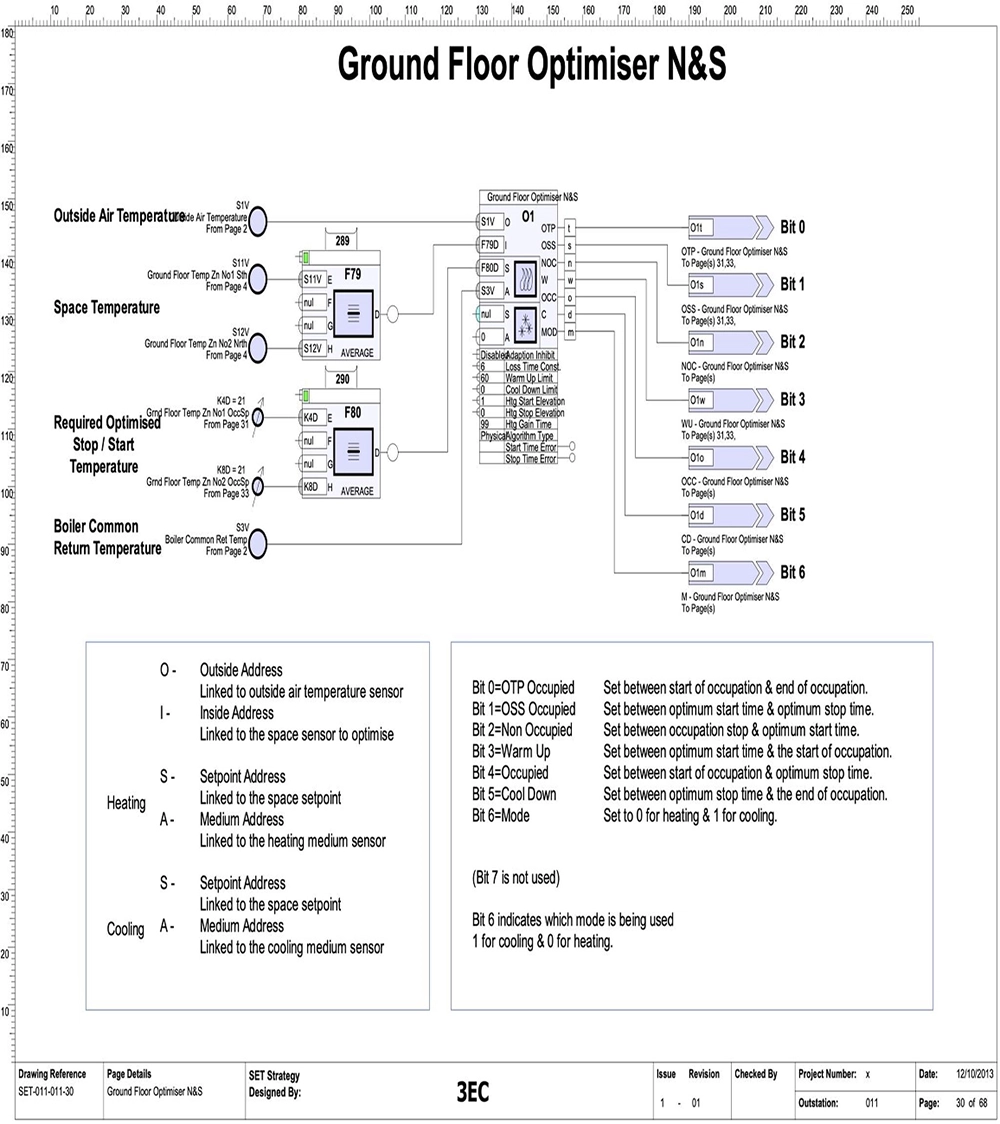
Why strong control logic matters
Automation logic sits at the centre of system performance. Graphics may look polished and integrations may be technically complete, but if the underlying sequence is weak, the building still behaves poorly. Start-stop behaviour becomes inconsistent, energy performance drifts, alarms lose meaning and operators are forced to work around logic rather than rely on it.
3EC treats automation logic as a core engineering deliverable. That means understanding plant intent, failure modes, priorities, timing, interlocks and what the client needs from the building day to day. Logic is written with commissioning and support in mind, not just first-pass functionality.
Control sequence implementation
We translate written design intent and project requirements into usable BMS sequences that are coherent at both engineering and operator level.
Plant optimisation focus
Well-structured logic supports energy efficiency, smoother operation and better coordination between plant items under changing conditions.
Readable engineering
Automation logic should be maintainable. Sensible structure and clarity make future changes less risky and faster to diagnose.
Integration-aware behaviour
Sequences are shaped around the data and command realities of the wider system, including OEM equipment and third-party integrations.
Control sequence examples
Good automation logic sits close to real plant and real commissioning conditions. These visuals anchor that programming work in the broader control environment.
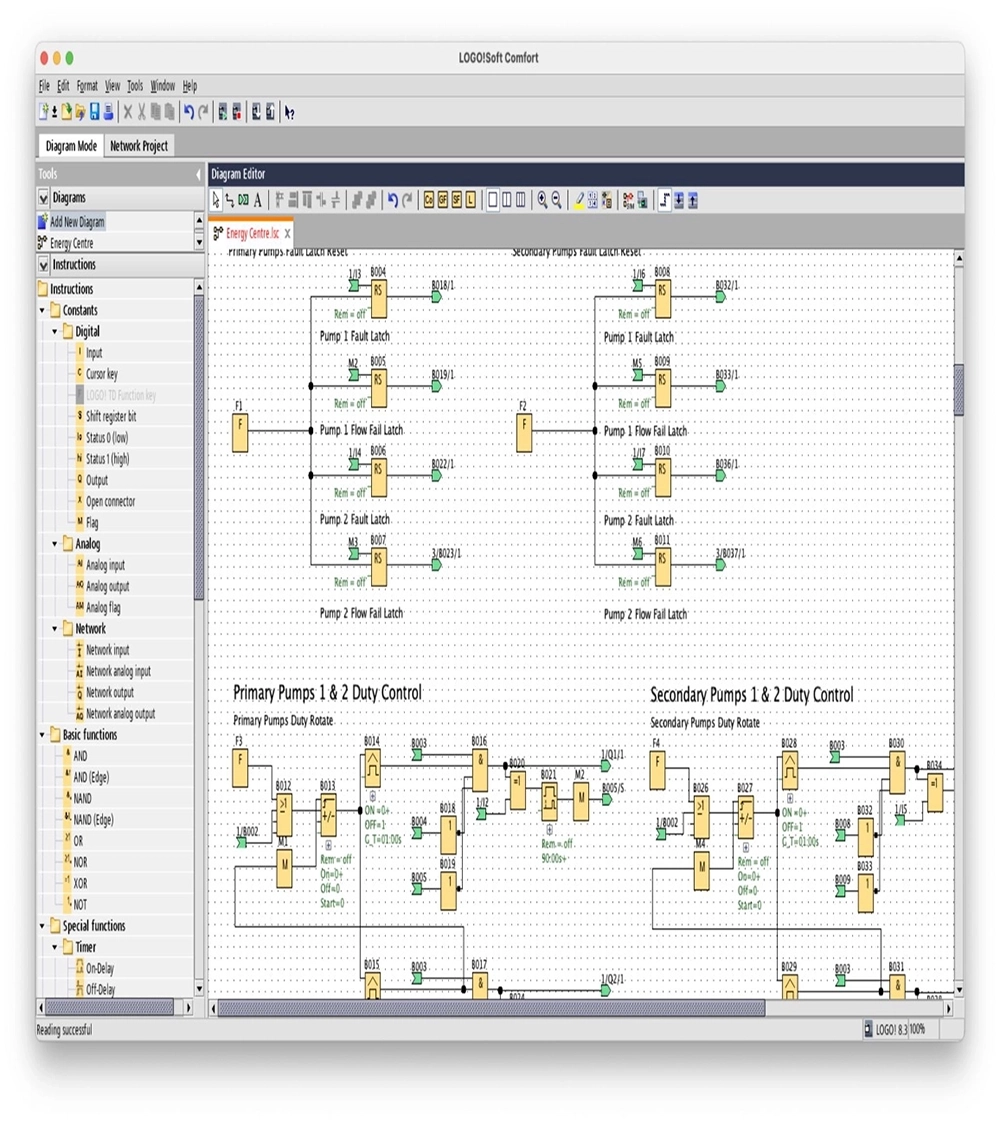
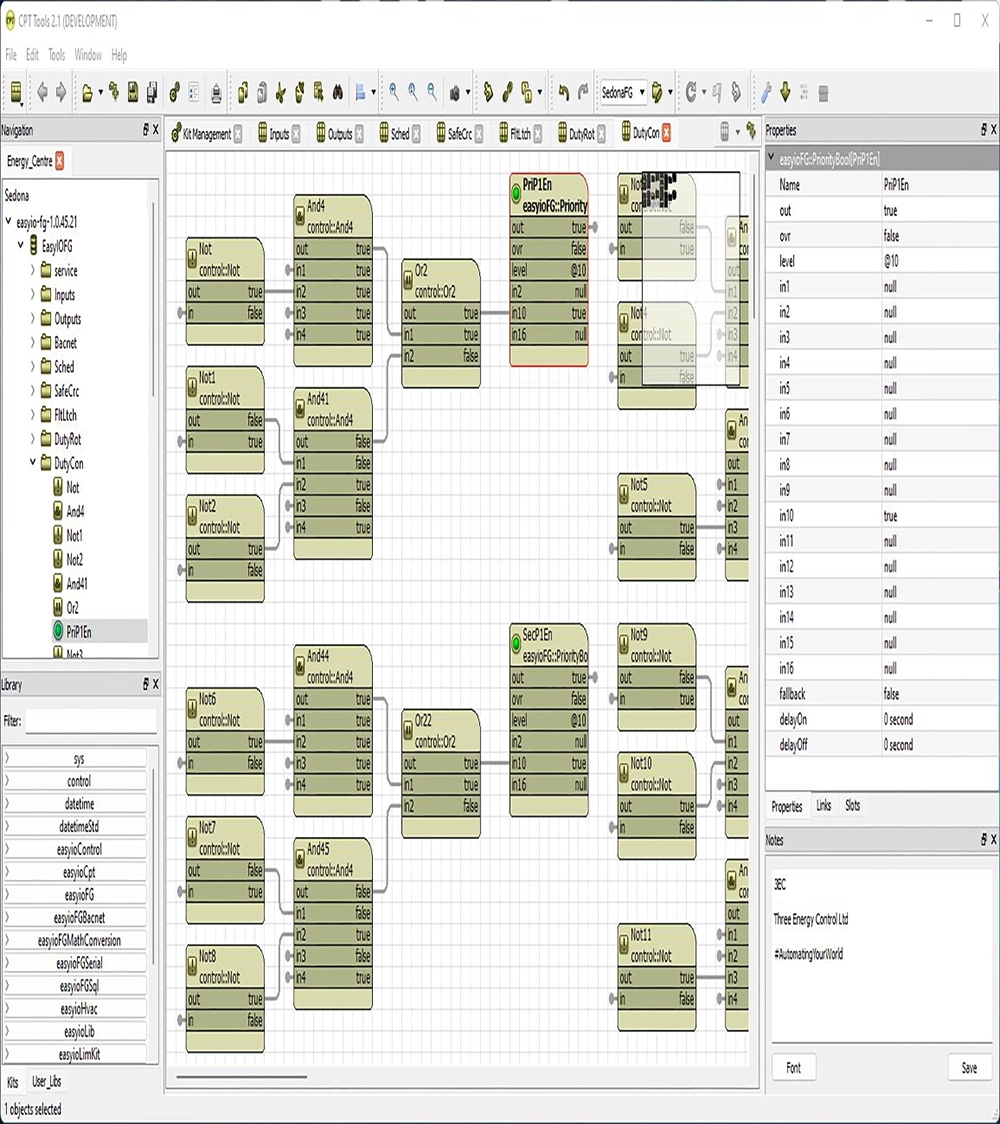
Programming for real operating conditions
Every site introduces conditions that diagrams alone do not fully capture. Sensors drift, devices respond differently, occupancies vary and plant combinations behave in ways that only become clear during commissioning. Robust automation logic accounts for these realities. It gives the system enough structure to behave consistently without becoming so rigid that it is difficult to adapt.
3EC approaches logic programming with that balance in mind. We aim for sequences that behave well under real operating pressure and can still be understood, tested and adjusted by engineering teams later.
Joined-up delivery with software, graphics and integration
Automation logic is closely connected to the rest of the BMS stack. If the control sequence is not reflected properly in the graphics, operators are left guessing. If integrations expose data poorly, logic becomes awkward to implement. If custom software is doing part of the heavy lifting, those boundaries must be thought through carefully. 3EC works across these adjacent areas so logic can be developed in step with the rest of the solution.
This is especially useful on projects where packaged plant, multiple OEMs or specialist spaces create a need for more thoughtful control behaviour than a standard template can provide.
Talk to 3EC about automation logic programming
If your project needs BMS automation logic programming for new works, upgrades or refined control strategies, contact 3EC to discuss the control sequence and site requirements.